Opens in a new tab

Proudly Serving Macomb County, Michigan | Call (248) 413-8313

Get a free quote

Yard Drainage Solutions in Macomb County, MI

Underground Drainage Installation, Yard Drain Repairs & Standing Water Solutions

Tired of standing water in your backyard, soggy landscaping, or rainwater collecting around your home’s foundation?

At True North Home Solutions, we help homeowners take control of unwanted water with residential yard drainage installation, repair, and replacement services throughout Macomb County, Michigan.

From underground drainage piping and buried downspout systems to improvements that help redirect excess runoff, we provide practical drainage solutions designed around your property’s needs.

Whether you’re dealing with persistent puddles, deteriorating underground drain pipes, or drainage problems that return after every heavy rainfall, we’re here to help you explore the right solution.

Stop fighting standing water. Start enjoying your yard again.

Professional Yard Drainage Solutions for Macomb County Homeowners

Take Control of Excess Water Around Your Property

Your yard should be a place to relax, entertain, and enjoy your property—not an area that becomes difficult to use every time it rains.

Unfortunately, standing water and poor drainage are common residential concerns throughout Michigan.

Heavy rainfall, spring snowmelt, concentrated roof runoff, and unfavorable property grading can all contribute to excess water collecting in your yard.

When water doesn’t drain properly, homeowners may experience muddy lawns, saturated landscaping, erosion, and persistent moisture near vulnerable areas of the home.

These problems can make outdoor spaces less usable and may contribute to additional property damage when left unaddressed.

At True North Home Solutions, we provide residential yard drainage installation, repair, and replacement services designed to help homeowners manage unwanted runoff.

Our services focus on underground drainage improvements, buried drainage piping, and solutions that help direct water away from problem areas.

Whether your property needs a new underground yard drain, repairs to existing drainage infrastructure, or improvements to the way downspouts discharge rainwater, we can help you explore appropriate options.

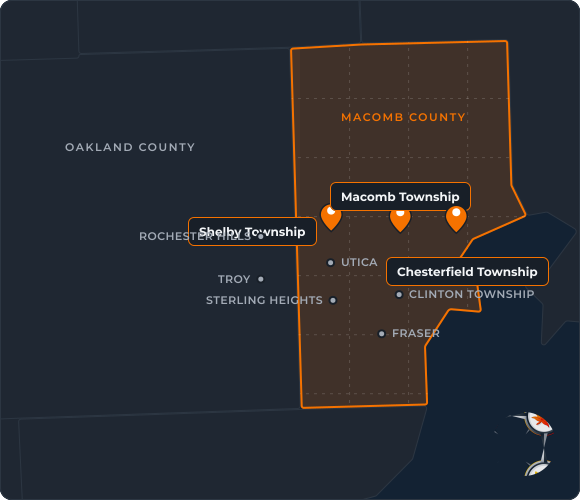
We proudly serve homeowners throughout Shelby Township, Macomb Township, Chesterfield Township, Sterling Heights, Clinton Township, Utica, and surrounding Macomb County communities.

Every property is different. Effective drainage begins with understanding where the water comes from, why it collects, and where it can safely go.

Residential Yard Drainage Installation, Repair & Replacement

Underground Drainage Solutions Designed Around Your Property

Not every drainage problem requires the same solution.

Some homeowners need to redirect water from their downspouts. Others are dealing with standing water in low areas or underground drainage systems that have become damaged or stopped functioning properly.

True North Home Solutions provides residential yard drainage services designed to address these different needs.

Underground Yard Drainage Installation

Help Move Excess Water Away From Problem Areas

Underground drainage systems can provide an effective way to collect and redirect certain types of excess water around residential properties.

These systems use buried drainage infrastructure to move water from appropriate collection points toward a suitable discharge location.

Depending on the property’s conditions, underground drainage may help address water accumulating in low sections of the yard, concentrated roof runoff, and other surface drainage concerns.

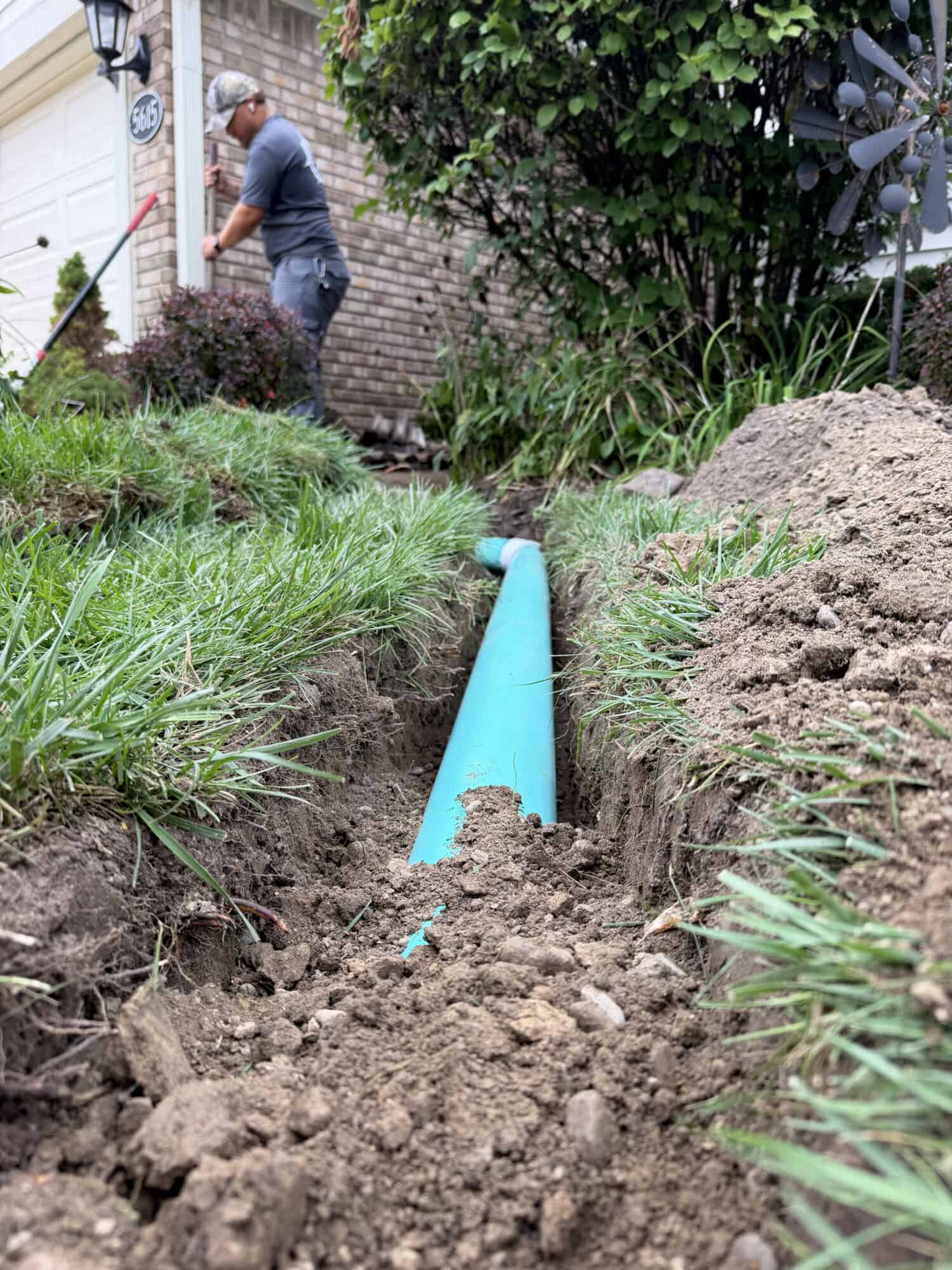
True North Home Solutions provides underground yard drainage installation services throughout Macomb County.

We help homeowners explore solutions that address recurring water accumulation while considering existing grading, underground utilities, landscaping, and available drainage routes.

A properly planned system should account for the source of the water, anticipated runoff, underground conditions, and the location where collected water will discharge.

The goal is simple: move unwanted water away from areas where it creates problems.
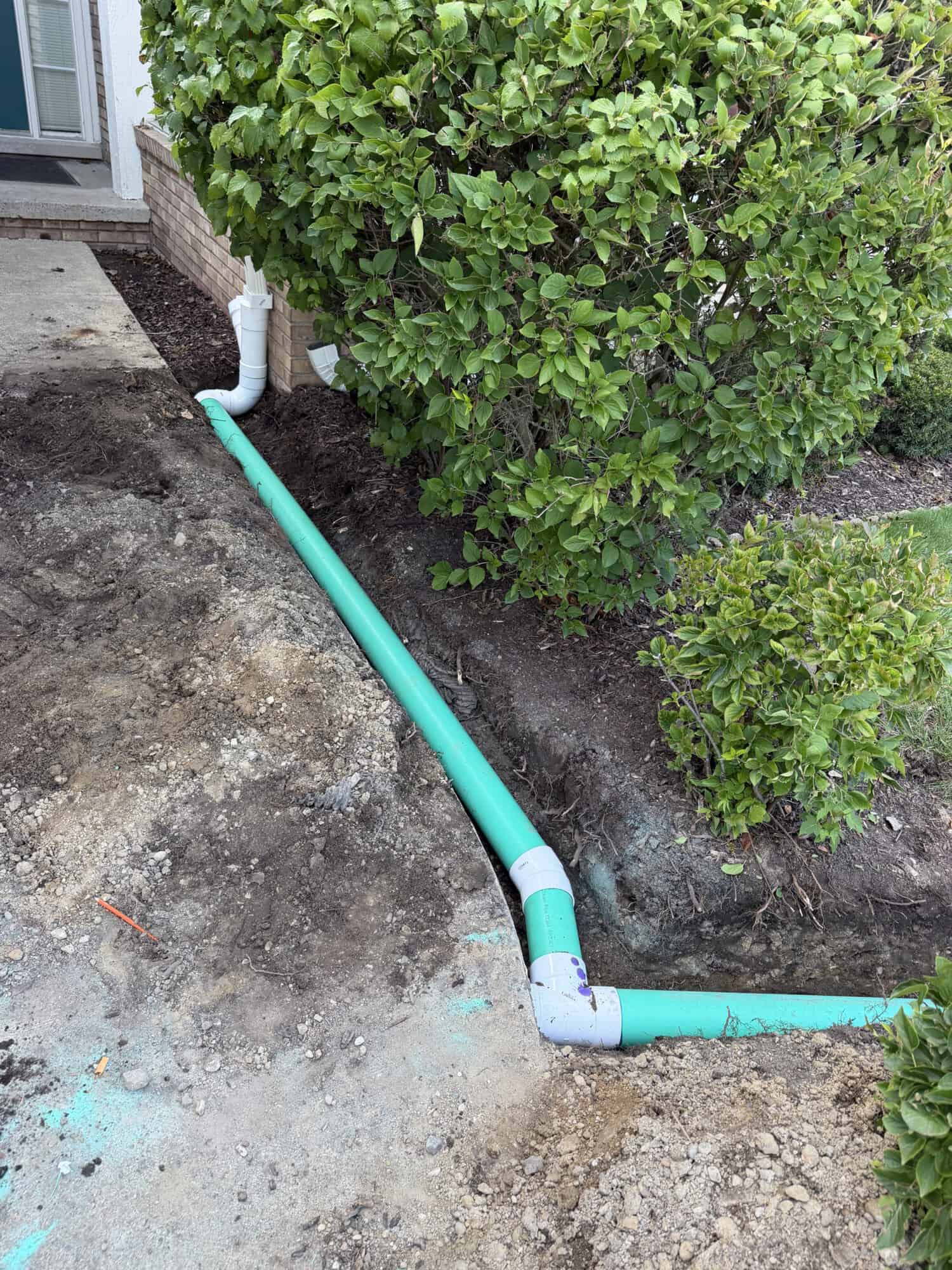
Underground Drainage Applications May Include:

  • Collecting excess surface runoff
  • Redirecting water from problem areas
  • Managing concentrated downspout discharge
  • Replacing inadequate buried drainage infrastructure
  • Improving drainage in suitable low-lying sections of a yard
  • Connecting appropriate drainage collection points to a suitable outlet
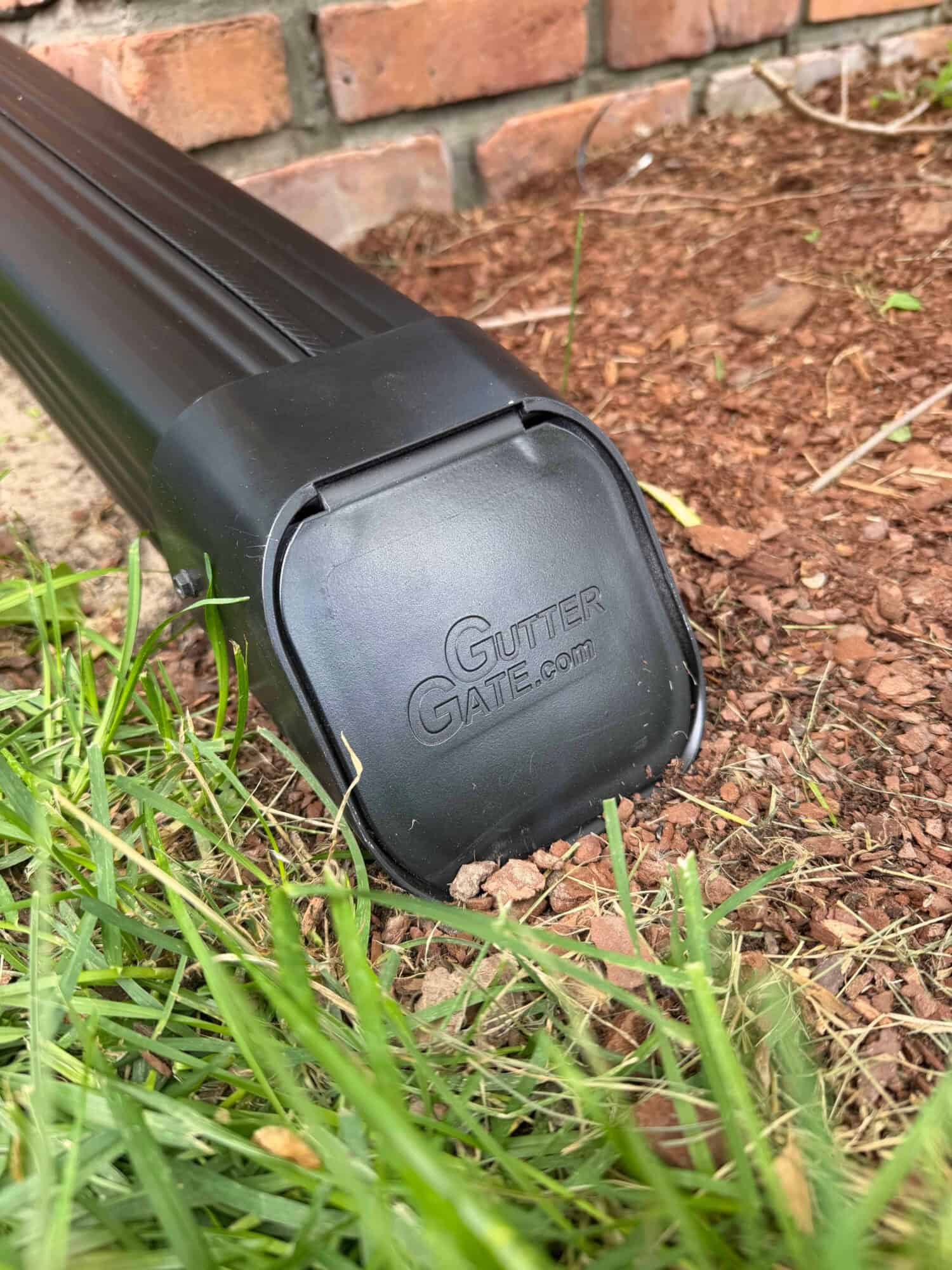
Underground Downspout Drainage

Take Rainwater Beyond the Bottom of Your Gutters

Your home’s gutters collect rainwater from the roof, but what happens after that water reaches the ground?

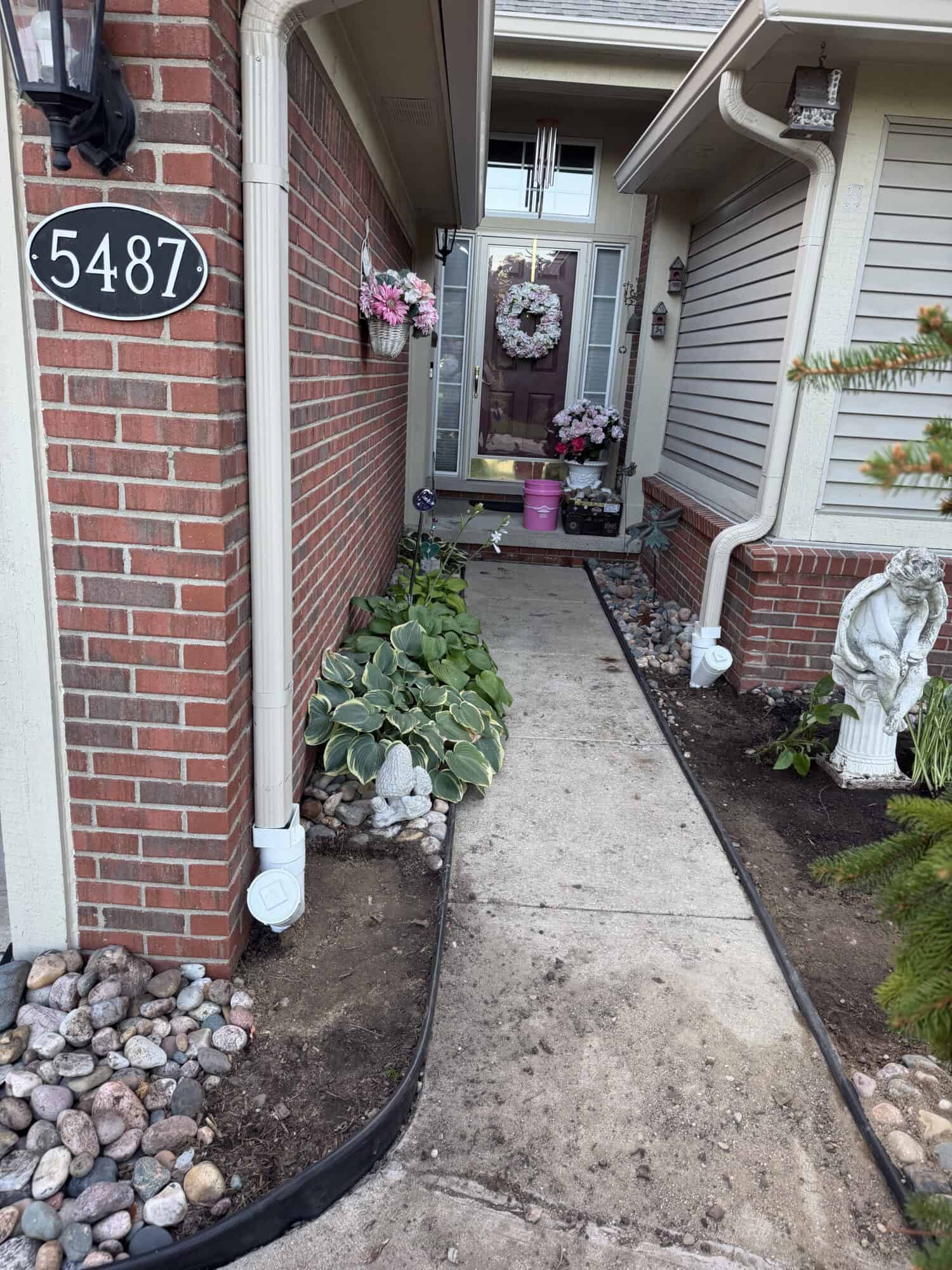
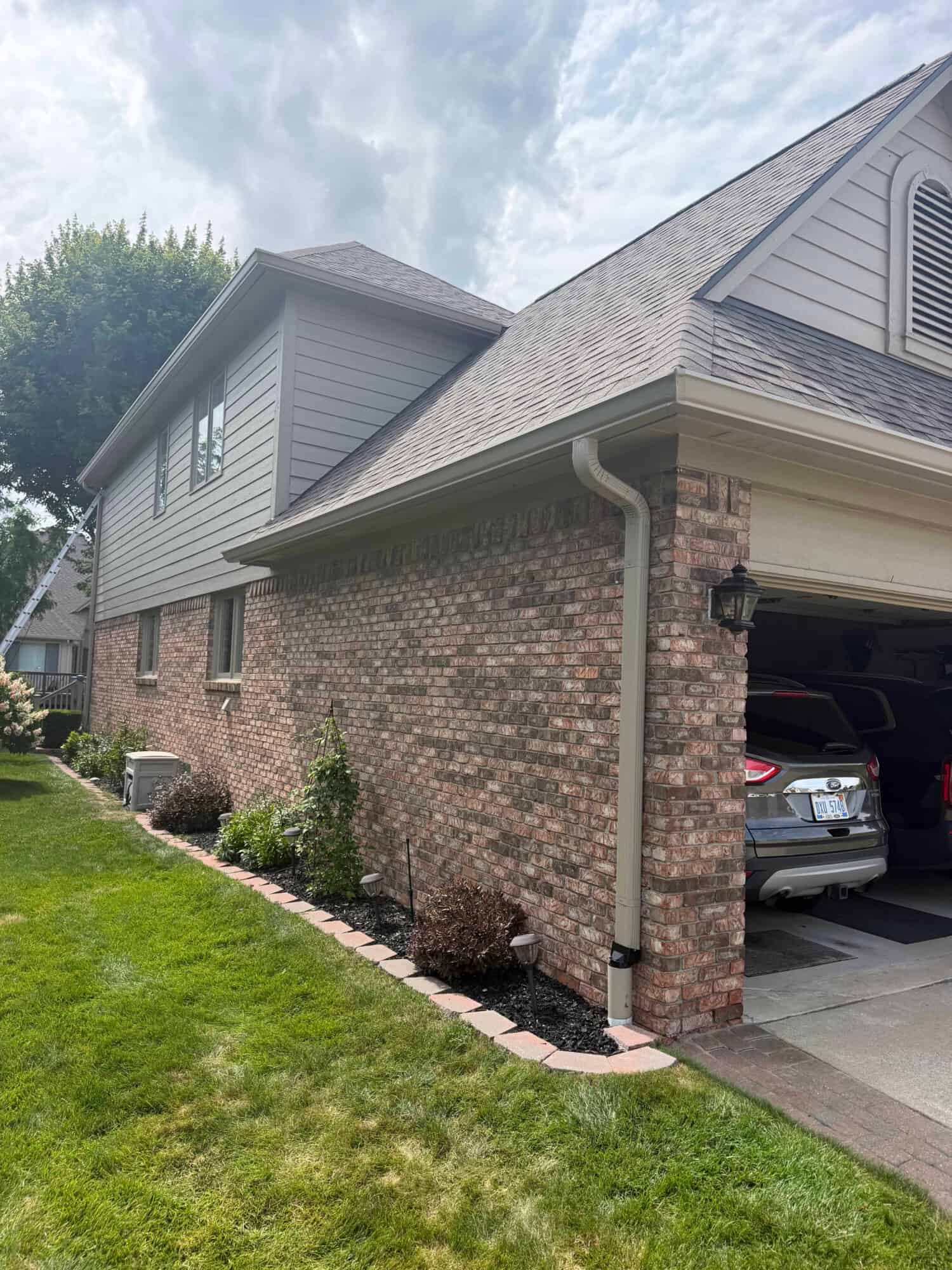
When downspouts release concentrated runoff too close to the home, water may collect near the foundation, saturate landscaping, or create recurring puddles.

In some situations, extending downspouts above ground is sufficient.

However, certain properties may benefit from buried piping that carries collected roof runoff toward a more appropriate drainage location.

True North Home Solutions provides underground downspout drainage solutions throughout Macomb County.

These improvements can help homeowners manage roof runoff without relying entirely on visible surface extensions.

Unlike a French drain, which generally collects surrounding water through perforated piping, a buried downspout line typically uses solid, nonperforated piping to transport roof runoff.

This distinction helps prevent collected water from being released into the soil immediately adjacent to the home.

True North Home Solutions provides both gutter services and underground drainage solutions, helping homeowners address related rainwater-management concerns.

Underground Downspout Drainage May Help Address:

  • Water pooling near downspout outlets
  • Concentrated roof runoff near the home
  • Saturated landscaping around the foundation
  • Existing buried downspout pipes that are damaged
  • Inadequate downspout discharge locations
  • Persistent runoff problems connected to gutter systems

Yard Drainage Repair

Restore Your Existing Underground Drainage System

An underground drainage system can develop problems over time.

Buried piping may become damaged, connections can separate, sediment or debris may restrict water flow, and drainage outlets may stop functioning properly.

Because much of the system is underground, the cause of a drainage problem isn’t always immediately visible.

Homeowners may first notice recurring standing water, unusually wet landscaping, or water collecting near an existing drain.

True North Home Solutions provides residential yard drainage repair services throughout Macomb County.

Whether your existing drainage system has stopped moving water effectively or you’re experiencing recurring drainage problems, we can help evaluate the situation and explore appropriate repair options.

The appropriate repair depends on the location and cause of the problem, the condition of the existing infrastructure, and whether the system has a suitable discharge location.

Some issues may be corrected through targeted repairs.

Others may require replacing sections of underground piping or improving the drainage route.

Don't let a damaged underground drainage system leave your yard waterlogged after every storm.

Common Yard Drainage Repair Concerns Include:

  • Damaged underground drainage pipes
  • Broken or separated drainage connections
  • Drainage systems that no longer function properly
  • Recurring water accumulation near existing drains
  • Deteriorating buried drainage infrastructure
  • Inadequate or damaged drainage outlets

Yard Drainage System Replacement

Replace Underground Drainage That No Longer Performs

Some underground drainage systems eventually reach a point where continued repairs are no longer practical.

Existing pipes may have deteriorated, the system may have been improperly configured, or changes to the property may have affected how water moves through the yard.

When drainage problems continue despite previous repairs, replacing the affected system may be worth considering.

True North Home Solutions provides residential underground yard drainage replacement services throughout Macomb County.

We help homeowners explore options for replacing damaged or inadequate drainage infrastructure while considering the property’s current runoff and discharge needs.

Replacing underground drainage isn’t simply about installing new pipes in the same location.

The original system’s configuration and discharge conditions should also be considered to avoid repeating the same problems.

A replacement system should address the property's actual drainage needs—not simply recreate an inadequate existing installation.

Reasons Drainage Replacement May Be Necessary Include:

  • Extensive underground pipe deterioration
  • Recurring failures in multiple locations
  • Damaged or inadequate drainage connections
  • Significant changes in property conditions
  • Drainage infrastructure that no longer performs as intended
  • Existing systems with unsuitable drainage routes

French Drains, Yard Drains & Underground Downspouts: What's the Difference?

Understanding Common Residential Drainage Solutions

Homeowners often hear terms such as French drains, catch basins, yard drains, and underground downspouts used interchangeably.

However, these drainage systems are not the same.

Each collects or transports water differently and may be appropriate for different property conditions.

Understanding the differences can help homeowners make more informed decisions about their drainage needs.

  • French Drain Systems

    Collecting Water From Saturated Soil

    A French drain generally consists of a gravel-filled trench containing perforated drainage piping.

    The system is designed to collect certain types of water moving through surrounding soil and direct it toward an appropriate discharge location.

    French drains may be useful for some properties experiencing persistent soil saturation or water moving through particular areas of the yard.

    However, a French drain isn’t necessarily the right solution for water collecting on the surface.

    Its effectiveness depends on soil conditions, drainage depth, available slope, and the discharge location.

    Best Understood As: A system designed to intercept and redirect water moving through surrounding soil.

  • Yard Drains & Catch Basins

    Collecting Surface Water From Low Areas

    Yard drains and catch basins are designed to collect water accumulating at or near the ground’s surface.

    A collection inlet is typically positioned where runoff naturally gathers.

    Water entering the inlet can then move through connected drainage piping toward an appropriate outlet.

    These systems may be useful where rainfall repeatedly collects in a low section of the yard.

    However, the effectiveness of a catch basin depends on its location, inlet capacity, connected piping, and discharge conditions.

    Best Understood As: A collection point for surface runoff that needs to be transported elsewhere.

  • Underground Downspout Drains

    Transporting Roof Runoff Away From the Home

    An underground downspout drain carries collected roof runoff from a gutter downspout through buried piping.

    These systems generally use solid piping because their primary purpose is to transport water rather than collect it from surrounding soil.

    They may be appropriate when existing downspouts discharge concentrated runoff into undesirable locations.

    The buried line must lead to a suitable discharge point.

    Best Understood As: A system for transporting water collected by your gutters.

  • Buried Yard Drainage Piping

    Connecting Water Collection Points to Drainage Outlets

    Underground drainage piping can connect appropriate water collection points to designated outlets.

    The type of pipe, installation requirements, slope, and discharge location depend on the system’s intended purpose.

    Some applications involve collecting groundwater or shallow subsurface water.

    Others involve transporting surface runoff that has already been collected.

    The correct configuration depends on the property’s drainage needs.

    Best Understood As: The infrastructure that moves collected water through an underground drainage system.

Which Drainage System Is Right for Your Yard?

The answer depends on the problem.

Water pooling on the lawn may require a different solution than water saturating the soil beneath the surface.

Similarly, downspout runoff collecting near the foundation may require improvements to the existing gutter discharge route rather than a French drain.

The correct drainage solution starts with identifying how water is entering the problem area and where it can safely be redirected.

True North Home Solutions provides residential underground yard drainage and downspout drainage services throughout Macomb County.

Discuss Your Yard Drainage Problem

Why Is Water Collecting in My Yard?

Understanding Common Causes of Standing Water

Standing water doesn’t always mean you need an entirely new drainage system.

In many cases, excess water accumulates because of a combination of property grading, runoff patterns, soil conditions, and existing drainage infrastructure.

Understanding the cause is essential before determining the right improvement.

Identify the Cause Before Choosing a Solution

Installing more drainage piping isn’t automatically the answer.

An effective approach begins with understanding the source of the water, the property’s existing conditions, and the available options for managing runoff.

True North Home Solutions helps Macomb County homeowners explore underground yard drainage improvements for appropriate residential surface-water problems.

Get Help With Standing Water
  1. 1. Poor Yard Grading

    Your property’s grading affects how rainwater moves across the landscape.

    When portions of the yard slope toward the house or contain low areas with no effective drainage path, water may collect rather than move away.

    Depending on the conditions, improving the grading or adding appropriate drainage infrastructure may help manage the problem.

  2. 2. Concentrated Downspout Runoff

    Your roof can collect a substantial amount of rainwater during a storm.

    Gutters move that water toward downspouts, which often concentrate runoff into relatively small areas.

    If the downspouts discharge into locations with inadequate drainage, the surrounding soil may become saturated.

    Underground downspout drainage may help move collected runoff toward a more suitable location.

  3. 3. Slow-Draining or Compacted Soil

    Soil conditions influence how quickly water can move into and through the ground.

    Some properties have soils that drain relatively slowly, while compaction can reduce infiltration.

    During extended rainfall, the soil may become saturated and allow water to remain on the surface.

    Because soil conditions vary across Macomb County, a drainage solution should be selected based on the individual property rather than assumptions about the entire region.

  4. 4. Low Areas in the Lawn

    Even when the surrounding yard drains adequately, depressions can collect water.

    These areas may develop naturally or result from soil settlement, landscaping changes, or previous construction.

    Depending on the extent of the problem, correcting the low area or installing an appropriate drainage collection point may be worth considering.

  5. 5. Damaged Underground Drainage Pipes

    An existing drainage system may stop functioning properly when buried piping becomes damaged or obstructed.

    Possible issues include separated connections, sediment accumulation, physical damage, or unsuitable outlet conditions.

    The source of the problem should be identified before determining whether repairs or replacement are needed.

  6. 6. Inadequate Drainage Outlets

    Even a properly installed drainage pipe needs somewhere appropriate to release collected water.

    If an outlet is obstructed, submerged, improperly located, or unable to receive the anticipated runoff, the system may not function as intended.

    Drainage improvements should account for discharge conditions before installation.

  7. 7. Groundwater or Flood-Related Conditions

    Some water problems are influenced by groundwater levels or nearby waterways rather than ordinary surface runoff.

    These conditions can be more complex and may require engineering, waterproofing, or other specialized evaluation.

    A conventional underground yard drain should not be assumed to solve groundwater intrusion, sewer backups, or floodplain-related problems.

Don't Let Standing Water Take Over Your Property

Why Residential Drainage Problems Deserve Attention

Persistent standing water can affect more than your lawn’s appearance.

Depending on where water collects and how long it remains, poor drainage may contribute to several frustrating property conditions.

  • Soggy Lawns & Muddy Backyards

    When water remains on the lawn after rainfall, the ground can become difficult to walk on or maintain.

    Repeated saturation may also affect grass growth and the usability of outdoor areas.

  • Water Accumulating Near the Foundation

    Concentrated runoff near the home’s foundation can increase moisture exposure in surrounding soil.

    Although yard drainage doesn’t solve every foundation moisture problem, managing surface runoff is an important part of protecting the property.

  • Damaged Landscaping

    Excess runoff can wash away mulch, displace soil, and damage landscaped areas.

    Recurring standing water may also affect plants that are poorly suited to saturated soil conditions.

  • Soil Erosion

    Water moving across the property can carry soil away from exposed or vulnerable areas.

    Depending on the conditions, uncontrolled runoff may contribute to erosion around landscaping, drainage outlets, and other exterior features.

  • Reduced Use of Outdoor Spaces

    A backyard that remains wet for extended periods can become difficult to enjoy.

    Persistent muddy areas may interfere with outdoor activities, lawn maintenance, and normal use of the property.

  • Protect Your Property From Unwanted Water

    Not every puddle requires professional drainage work.

    However, water that repeatedly accumulates in the same areas, creates ongoing property problems, or remains near vulnerable building components deserves evaluation.

    True North Home Solutions provides underground yard drainage installation, repair, and replacement services to help homeowners address recurring surface-water concerns.

    Request Yard Drainage Solutions

How Does an Underground Yard Drainage System Work?

From Standing Water to an Appropriate Drainage Outlet

Although underground drainage systems vary in design, most involve three essential functions.

Collect the water. Move the water. Discharge the water appropriately.

Understanding these steps can help homeowners recognize why the design and placement of drainage components matter.

Effective Drainage Requires Planning

A properly functioning underground drainage system must match the property’s existing conditions.

True North Home Solutions provides underground yard drainage improvements to help Macomb County homeowners manage appropriate residential runoff problems.

Discuss Underground Drainage Installation
  1. Step 1: Identify Where Water Collects

    The first step is locating the source and concentration of unwanted water.

    This may involve roof runoff, water collecting in a low section of the yard, or runoff entering from another portion of the property.

    The source helps determine whether underground drainage is appropriate and where collection or conveyance components may be needed.

  2. Step 2: Collect or Intercept the Water

    Depending on the problem, a drainage system may collect water through a surface inlet, perforated drainage piping, or an existing downspout connection.

    Different collection methods are appropriate for different sources of water.

    For example, a surface inlet may collect standing runoff from a low area, while a buried downspout line transports water already collected by the gutters.

  3. Step 3: Transport Water Through Underground Piping

    Collected water moves through drainage piping toward the intended outlet.

    Pipe sizing, slope, material selection, and installation conditions influence system performance.

    Gravity-based systems require an appropriate elevation relationship between the collection point and discharge location.

  4. Step 4: Discharge Water at a Suitable Location

    The discharge point is one of the most important elements of the system.

    Water must be directed to a location that is appropriate for the property and complies with applicable requirements.

    The solution should not simply transfer the drainage problem to a neighboring property or another vulnerable area.

  5. Step 5: Maintain Drainage Performance

    Drainage components may require periodic observation or maintenance.

    Surface inlets can collect debris, underground lines can become obstructed, and outlet conditions can change.

    Homeowners should understand which components are accessible and whether maintenance is necessary to preserve system performance.

Your Gutters May Be Working. Your Yard Drainage May Not Be.

Understanding Why Water Still Collects Around Your Home

One of the most frustrating situations for homeowners is replacing or repairing their gutters only to discover that water continues collecting around the property.

In some cases, the gutter system is working exactly as intended.

The remaining problem involves what happens after the collected rainwater reaches the ground.

One Company for Gutters & Underground Drainage

True North Home Solutions provides both gutter services and underground yard drainage improvements.

This gives homeowners an opportunity to discuss how their roof runoff is collected and managed beyond the downspouts.

Better rainwater management means considering the entire path water takes around your home.

Explore Our Gutter Installation & Repair Services
  • Your Roof Collects Rainwater

    During rainfall, water flows across the roof toward the gutter system.

    The amount of runoff depends on the roof’s contributing area and the intensity of the rainfall.

  • Your Gutters Move That Water to the Downspouts

    Properly functioning gutters collect water along the roofline and channel it through downspouts.

    This helps reduce uncontrolled runoff over vulnerable exterior surfaces.

  • Your Downspouts Release Concentrated Runoff

    Once water reaches the bottom of the downspout, it needs an appropriate path away from vulnerable areas.

    If water is discharged into a low area or near the foundation, it may create persistent drainage concerns.

  • Underground Drainage May Help Complete the System

    Depending on site conditions, underground drainage piping may provide a way to redirect concentrated roof runoff toward a suitable discharge location.

    This can help address situations where above-ground downspout discharge is contributing to unwanted water accumulation.

  • Not Every Property Needs Underground Drainage

    Some homeowners may be able to improve water management through appropriate downspout extensions or other surface-level changes.

    Others may need a more substantial drainage improvement.

    The right approach depends on the property’s grading, runoff patterns, available outlets, and existing infrastructure.

Yard Drainage Challenges Throughout Michigan's Changing Seasons

Why Seasonal Conditions Matter

Michigan’s weather can create different drainage challenges throughout the year.

The amount of rainfall, soil saturation, snowmelt, and ground conditions all influence how water moves across residential properties.

  • Spring: Snowmelt & Saturated Ground

    As temperatures rise, melting snow and spring rainfall can increase the amount of water moving across lawns and landscaped areas.

    Frozen or saturated soil may limit how quickly water infiltrates the ground.

    Existing drainage problems may become especially noticeable during this period.

  • Summer: Heavy Rainfall & Thunderstorms

    Summer thunderstorms can deliver substantial rainfall over relatively short periods.

    Water may collect in low areas or overwhelm existing drainage routes when runoff arrives faster than the property can accommodate it.

  • Fall: Changing Weather & Debris

    Autumn rainfall and accumulated leaves may affect surface drains and accessible drainage inlets.

    Debris can obstruct openings and interfere with water collection.

    Homeowners should monitor visible drainage components for potential restrictions.

  • Winter: Freezing Conditions

    Cold temperatures can affect exposed drainage outlets and certain above-ground components.

    If water remains trapped in unsuitable locations, freezing may contribute to blockages or additional drainage problems.

    Drainage design should consider appropriate slopes, discharge conditions, and seasonal exposure.

Drainage Systems Need to Match Property Conditions

Michigan’s seasonal weather reinforces the importance of understanding how water moves around each individual property.

A system suitable for one yard may not be appropriate for another.

True North Home Solutions provides residential yard drainage services to help homeowners address recurring water-management concerns throughout Macomb County.

Request Yard Drainage Services

Five Things Every Homeowner Should Know Before Installing Yard Drainage

Avoiding Common Drainage Planning Mistakes

Installing underground drainage may involve excavation, buried piping, and modifications to existing runoff paths.

Before beginning a project, homeowners should understand several important considerations.

A Better Drainage Project Starts With Better Planning

The goal is not simply to bury pipe.

It’s to identify a solution appropriate for the property’s runoff, underground conditions, and available discharge options.

True North Home Solutions provides underground yard drainage installation, repair, and replacement services throughout Macomb County.

Discuss Your Yard Drainage Project
  1. 1. Not Every Drainage Problem Requires a French Drain

    French drains are one type of underground drainage system.

    They are generally designed to collect water moving through surrounding soil.

    However, homeowners dealing with standing surface water or concentrated downspout runoff may require different collection or conveyance methods.

    The system should match the source of the problem.

  2. 2. The Drainage Outlet Matters as Much as the Pipe

    Water collected by a drainage system must be transported to a suitable discharge location.

    A buried pipe without an appropriate outlet may simply move the problem to another part of the property.

    Outlet conditions, available elevation changes, and applicable requirements should be considered before installation.

  3. 3. Underground Utilities Must Be Located Before Excavation

    Michigan’s MISS DIG 811 program helps identify public underground utilities before digging.

    Excavation projects require appropriate advance notification so underground facilities can be marked.

    Private underground facilities may require separate locating arrangements.

    Homeowners should confirm that required utility locating has been completed before excavation begins.

  4. 4. Existing Grading Can Affect Drainage Performance

    The elevation and slope of surrounding landscaping influence how water reaches collection points.

    Underground drainage may not fully correct a problem caused by unsuitable surface grading.

    In some cases, additional grading considerations may be necessary.

  5. 5. Local Drainage Requirements May Apply

    Drainage requirements can vary depending on the municipality, the type of work, and the proposed discharge location.

    Connections to public drainage infrastructure, changes affecting easements, or projects involving regulated drainage areas may require additional review or authorization.

    Homeowners should verify applicable requirements before construction begins.

Should You Repair or Replace Your Existing Yard Drainage System?

Choosing the Right Improvement for Your Property

An underground drainage system that no longer functions properly doesn’t always require complete replacement.

The appropriate solution depends on the cause of the problem and the condition of the existing infrastructure.

When Yard Drainage Repair May Make Sense

Repairs may be appropriate when:

  • Damage is limited to a specific pipe section.
  • Existing piping remains in good condition.
  • The discharge location remains suitable.
  • A damaged connection can be corrected.
  • The system's overall layout remains appropriate.
  • The underlying cause of the problem can be identified and addressed.

Targeted repairs may restore drainage performance without replacing the entire system.

When Drainage Replacement May Be Appropriate

Replacement may be worth considering when:

  • Existing piping has extensive deterioration.
  • Multiple sections are damaged.
  • Previous repairs have not corrected recurring problems.
  • The original system has an unsuitable configuration.
  • Existing drainage routes no longer meet the property's needs.
  • The discharge arrangement is inadequate or inappropriate.

Sometimes the Original System Needs to Be Reconsidered

Replacing damaged piping along the same route may not solve the problem if the original system lacked a suitable outlet or appropriate configuration.

In these situations, the drainage approach itself may need to be reconsidered.

True North Home Solutions provides underground yard drainage repair and replacement services to help homeowners address existing drainage problems.

Request Yard Drainage Repair or Replacement

Yard Drainage Solutions Throughout Macomb County, MI

True North Home Solutions proudly provides residential underground yard drainage services throughout Macomb County.

Whether you’re dealing with standing water, damaged drainage piping, concentrated downspout runoff, or persistent drainage concerns, we’re ready to discuss your project’s needs.

  • Yard Drainage in Shelby Township, MI

    Underground drainage installation, repairs, buried downspout drainage, and residential standing water solutions throughout Shelby Township.

  • Yard Drainage in Macomb Township, MI

    Residential yard drainage improvements, underground piping, drainage repairs, and solutions for recurring water accumulation in Macomb Township.

  • Yard Drainage in Chesterfield Township, MI

    Underground drainage installation and repair services for appropriate residential runoff concerns throughout Chesterfield Township.

  • Yard Drainage in Sterling Heights, MI

    Buried drainage improvements, underground downspout solutions, and yard drainage repairs for Sterling Heights homeowners.

  • Yard Drainage in Clinton Township, MI

    Residential underground drainage installation, repairs, replacement, and water-management improvements throughout Clinton Township.

  • Yard Drainage in Utica, MI

    Underground yard drainage services, buried downspout improvements, and drainage repairs for residential properties throughout Utica.

Wherever you're located within our Macomb County service area, True North Home Solutions is ready to discuss your yard drainage needs.

Request Yard Drainage Services in Macomb County

Why Choose True North Home Solutions for Yard Drainage?

Residential Drainage Solutions Focused on Your Property's Needs

Standing water and poor drainage can create ongoing problems for homeowners.

At True North Home Solutions, we provide underground yard drainage installation, repair, and replacement services designed to help address appropriate residential runoff concerns.

  • Underground Drainage Installation & Repairs

    Our services include underground drainage piping, yard drainage improvements, repairs, and replacement solutions.

  • Solutions for Existing Drainage Problems

    Whether you’re dealing with water collecting in your yard or an underground system that no longer functions properly, we can help you explore available options.

  • Underground Downspout Drainage

    We provide underground drainage improvements that may help redirect concentrated roof runoff away from problem areas when site conditions allow.

  • Related Gutter Services

    True North Home Solutions also provides gutter installation, repair, and replacement services.

    Homeowners can discuss both roof runoff collection and ground-level drainage concerns.

  • Multiple Exterior Home Services

    In addition to drainage and gutters, we provide roofing, siding, aluminum soffit and fascia, and garage door services.

  • Proudly Serving Macomb County

    We provide residential exterior improvement services throughout Shelby Township, Macomb Township, Chesterfield Township, Sterling Heights, Clinton Township, Utica, and surrounding communities.

  • Our goal is to help homeowners manage unwanted water, improve the usability of their outdoor spaces, and protect important exterior areas of their properties.

    Contact True North Home Solutions

Frequently Asked Questions About Yard Drainage in Macomb County

True North Home Solutions provides residential underground yard drainage installation, repair, and replacement services throughout Macomb County, Michigan.

Our services include buried drainage piping, underground downspout drainage improvements, and solutions for appropriate residential surface-water problems.

Standing water can result from low areas, inadequate grading, slow-draining soil, concentrated roof runoff, or damaged drainage infrastructure.

The appropriate solution depends on where the water originates and how it moves across your property.

An underground drainage system may help with certain problems, but identifying the cause is essential before selecting a solution.

There isn’t one system that’s appropriate for every property.

Surface collection drains, French drains, buried drainage piping, and grading improvements address different conditions.

The best approach depends on the source of the water, soil characteristics, grading, available outlets, and the property’s existing drainage infrastructure.

A French drain generally collects water moving through surrounding soil using a gravel-filled trench and perforated piping.

A yard drain or catch basin typically collects surface runoff through an inlet positioned where water accumulates.

Both systems may connect to piping that transports collected water toward an appropriate discharge location.

The right choice depends on the drainage problem.

Underground drainage may significantly improve certain standing-water problems when the system is appropriate for the property’s conditions.

However, results depend on the cause of the water accumulation, soil conditions, installation design, and available discharge locations.

No conventional yard drainage system should be assumed to eliminate every type of flooding or groundwater problem.

Yes. In some situations, downspouts can connect to appropriately designed underground piping that redirects collected roof runoff toward a suitable discharge point.

The installation should account for proper piping, available slope, underground utilities, and drainage requirements.

Buried downspout lines generally use nonperforated piping to transport water rather than release it into surrounding soil near the foundation.

Properly designed drainage improvements can help redirect certain types of surface runoff away from vulnerable areas surrounding a foundation.

However, underground yard drainage does not correct every foundation moisture problem.

Groundwater intrusion, foundation defects, sewer backups, and other conditions may require different solutions.

Persistent wet conditions may result from slow-draining soil, groundwater, irrigation problems, leaking underground utilities, or drainage systems that are not functioning properly.

Identifying the source of the water is important.

If the moisture comes from a leaking water line or another non-stormwater source, a different type of repair may be required.

Yes. Underground drainage systems can experience restrictions caused by sediment, debris, root intrusion, or damaged piping.

The likelihood of obstruction depends on the system’s design, materials, installation, and maintenance.

Appropriate collection and inspection features can help make some systems easier to maintain.

Possible warning signs include recurring standing water near an existing drain, water backing up at collection points, damaged visible piping, or drainage that no longer performs as intended.

The underlying cause should be identified before determining whether repair or replacement is appropriate.

The service life of an underground drainage system depends on the pipe materials, installation conditions, soil movement, maintenance, and exposure to potential damage.

A properly selected and installed system may provide many years of service, but actual longevity varies.

Underground drainage installation generally requires excavation, which can temporarily disturb lawns, landscaping, and other affected areas.

The extent of disturbance depends on the drainage route, existing property features, equipment access, and the scope of work.

Homeowners should discuss excavation and restoration expectations before beginning a project.

Gravity-based drainage systems generally require an appropriate elevation difference between collection points and discharge locations.

If sufficient slope isn’t available, a conventional gravity-drainage approach may not function as intended.

The appropriate solution depends on the property’s elevations and available discharge options.

Connections to public stormwater infrastructure may require approval from the appropriate municipality or drainage authority.

Requirements can vary depending on the location and type of connection.

Homeowners should never assume they can connect private underground drainage piping to public systems without authorization.

Drainage improvements should not simply transfer unwanted water to neighboring properties.

Discharge locations must consider applicable requirements and the potential effects on adjacent land.

The drainage approach should be evaluated before installation to avoid creating new problems.

Requirements depend on the municipality, drainage system, scope of excavation, and proposed discharge location.

Certain projects involving public infrastructure, easements, regulated drains, or changes to property grading may require additional review or authorization.

Homeowners should verify applicable requirements with their local municipality or drainage authority before work begins.

Yes. Michigan requires advance notification through MISS DIG 811 before excavation so public underground utilities can be located.

The standard notice period is at least three business days before excavation, subject to applicable requirements.

Private utility lines may require separate locating services.

Yard drainage generally focuses on managing surface runoff and certain subsurface water conditions around a property.

Basement waterproofing addresses moisture entering below-grade portions of a building and may involve specialized foundation or interior systems.

Although exterior runoff management can be an important part of reducing foundation moisture exposure, yard drainage does not replace necessary waterproofing or foundation repairs.

Yard drainage costs depend on the length and type of piping, excavation requirements, soil conditions, property accessibility, existing landscaping, required drainage components, and available discharge locations.

A relatively straightforward underground downspout improvement may involve a different scope than a more extensive residential drainage system.

Contact True North Home Solutions to discuss your property and request a quote.

Yes. True North Home Solutions provides residential underground yard drainage services throughout Shelby Township, Macomb Township, Chesterfield Township, Sterling Heights, Clinton Township, Utica, and surrounding Macomb County communities.

Stop Fighting Standing Water. Take Control of Your Yard.

Yard Drainage Installation, Repair & Underground Drainage Solutions in Macomb County, MI

Your yard should be an enjoyable part of your property—not a constant source of frustration every time it rains.

Whether you’re dealing with persistent standing water, damaged underground drainage piping, concentrated downspout runoff, or recurring drainage concerns, True North Home Solutions is ready to help.

We proudly provide residential yard drainage installation, repairs, and underground drainage improvements throughout Macomb County, Michigan.

From addressing individual drainage problems to replacing existing underground systems, our services help homeowners manage unwanted runoff and improve the functionality of their properties.

Less standing water. Better water management. A yard you can enjoy.

True North Home Solutions

Proudly Serving Macomb County, Michigan

Request your free quote

We'll get back to you within one business day.

Complete Exterior Home Improvement Solutions

Your yard drainage system is only one part of managing water around your property.

True North Home Solutions also provides several related residential home improvement services throughout Macomb County.

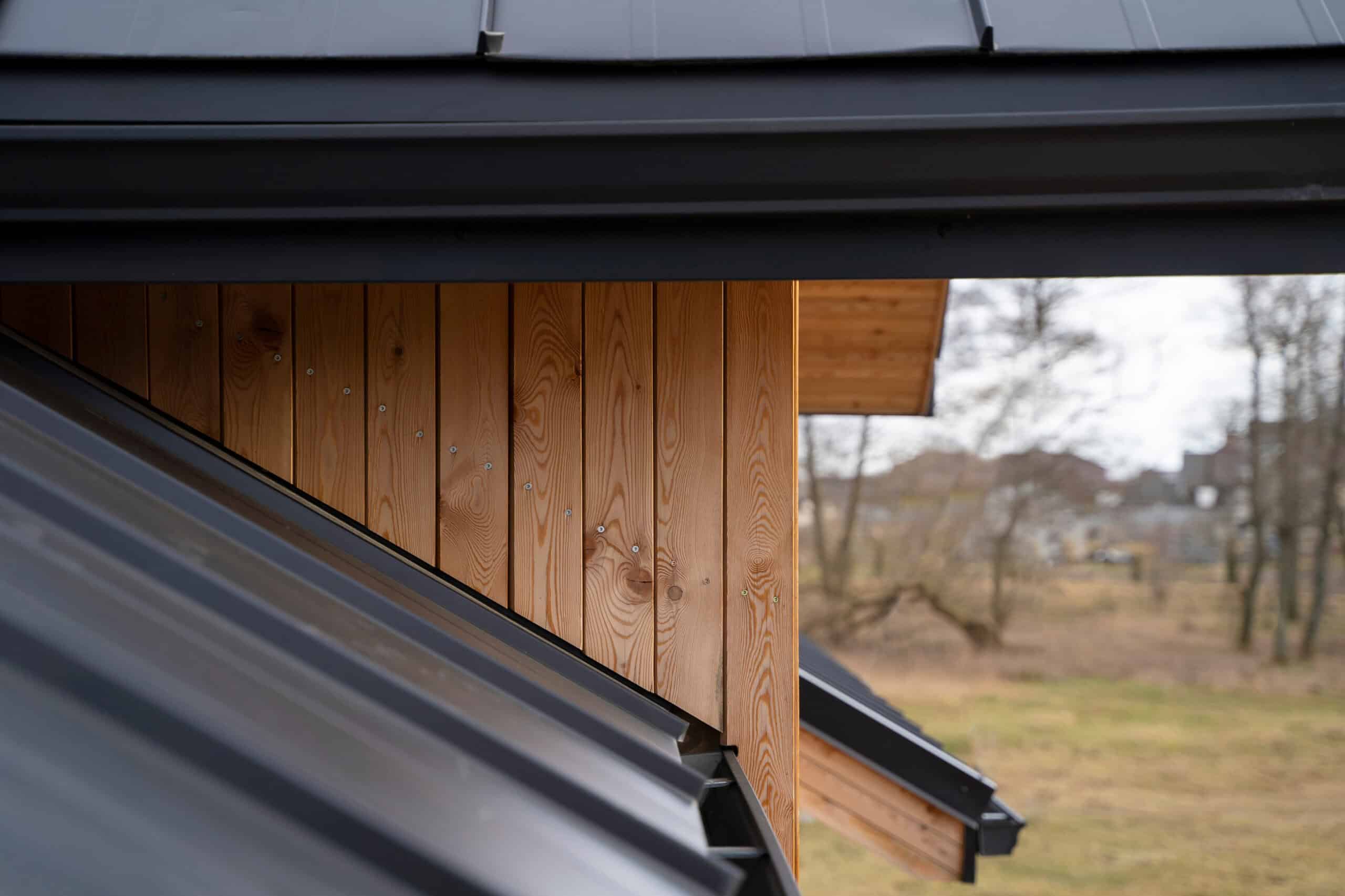
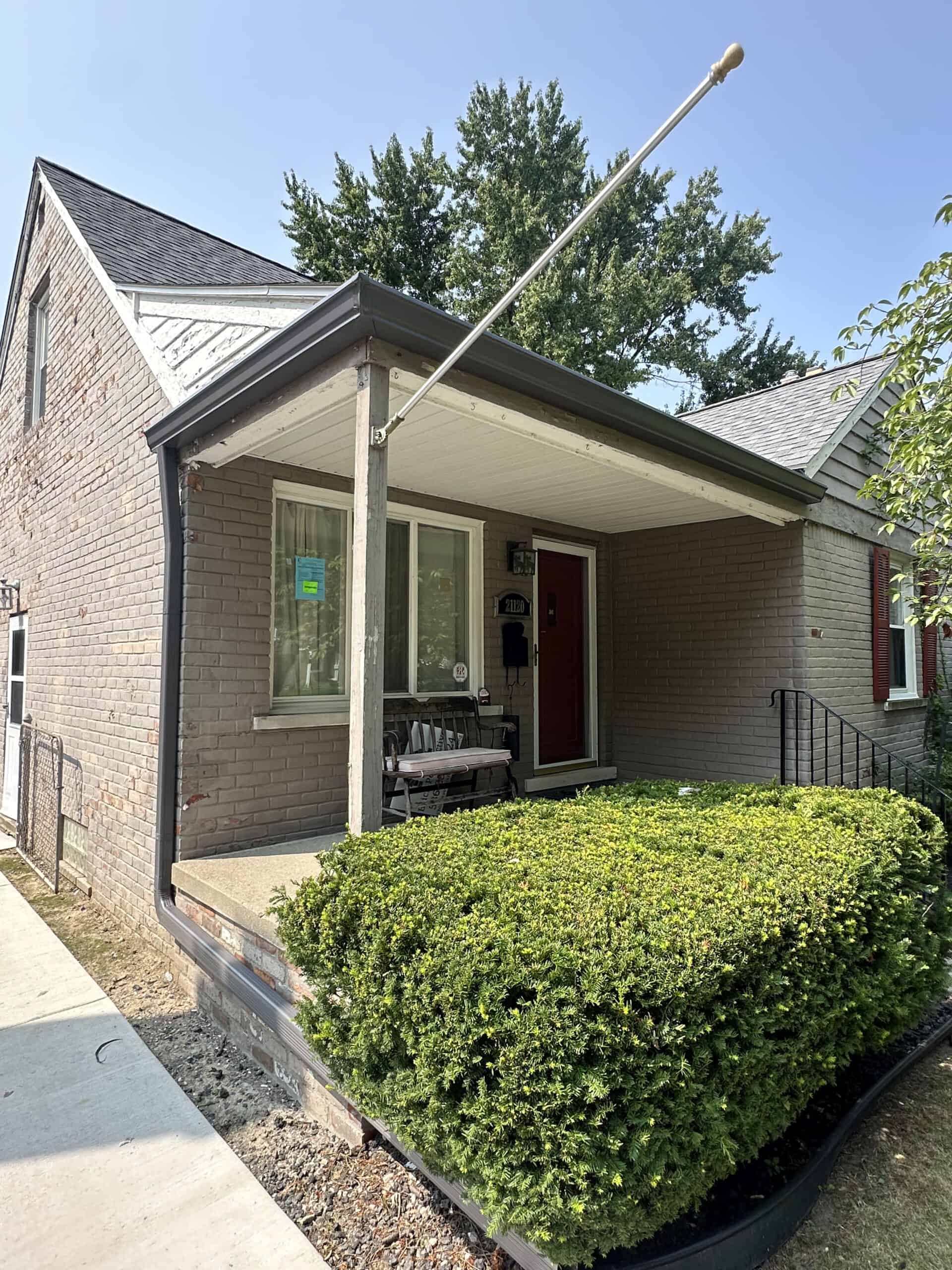
    Gutter Installation, Repair & Replacement

    Help control roof runoff with properly functioning gutters and downspouts.

    Roofing Installation, Repair & Replacement

    Protect your home from above with residential roofing installation, repairs, and replacement services.

    Siding, Soffit, Fascia & Aluminum Trim

    Maintain and protect important exterior components with residential siding and aluminum trim improvements.

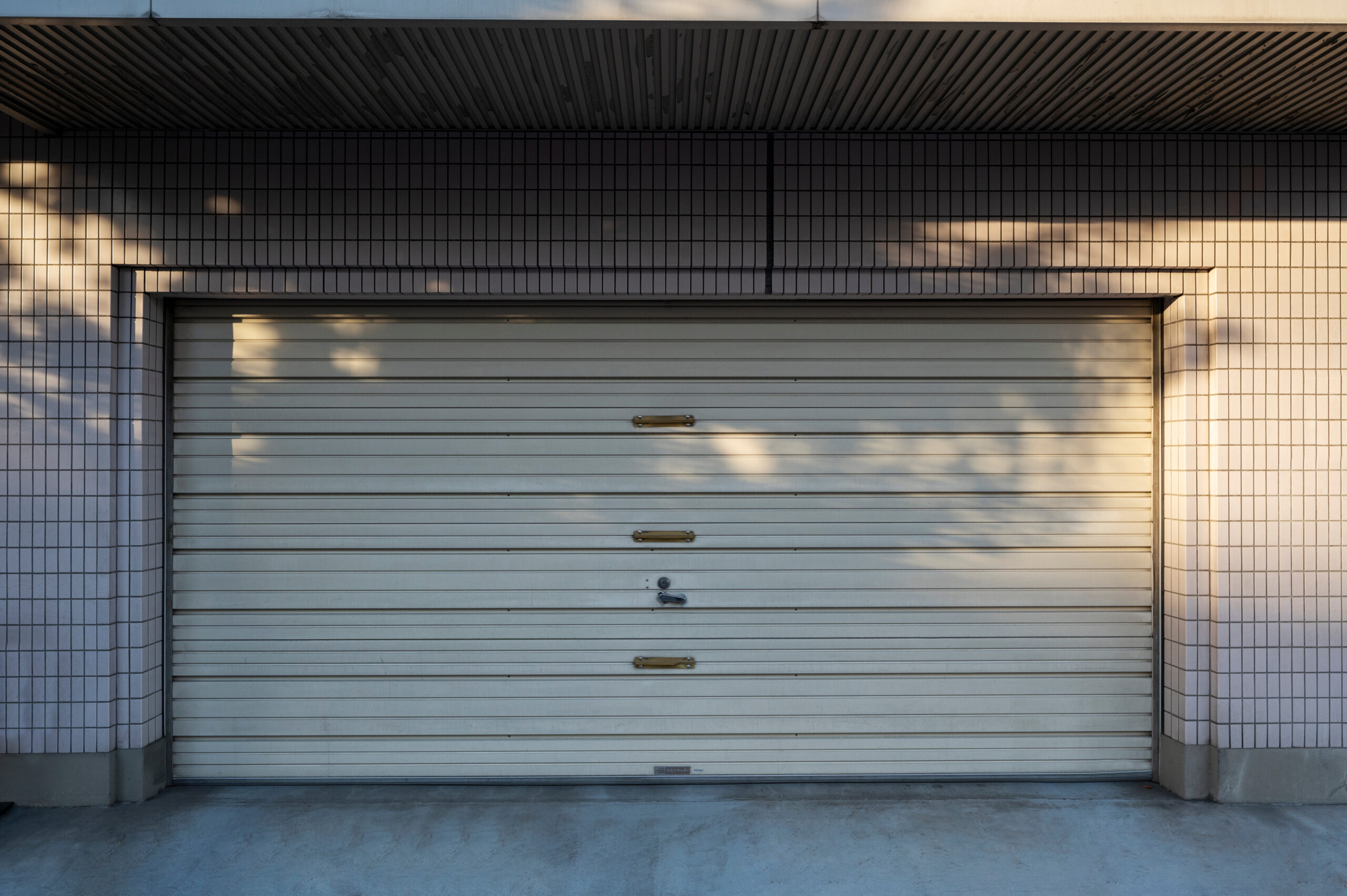
    Garage Door Installation & Repair

    Improve functionality and curb appeal with residential garage door installation, replacement, and repair services.